 By
·
3 minute read
By
·
3 minute read
What to monitor, what to ignore, and how to make alerts actually useful for the line.
In a connected kitchen, every gram, batch, and degree matters. Ingredient tracking is no longer just about inventory — it’s about control, consistency, and insight.
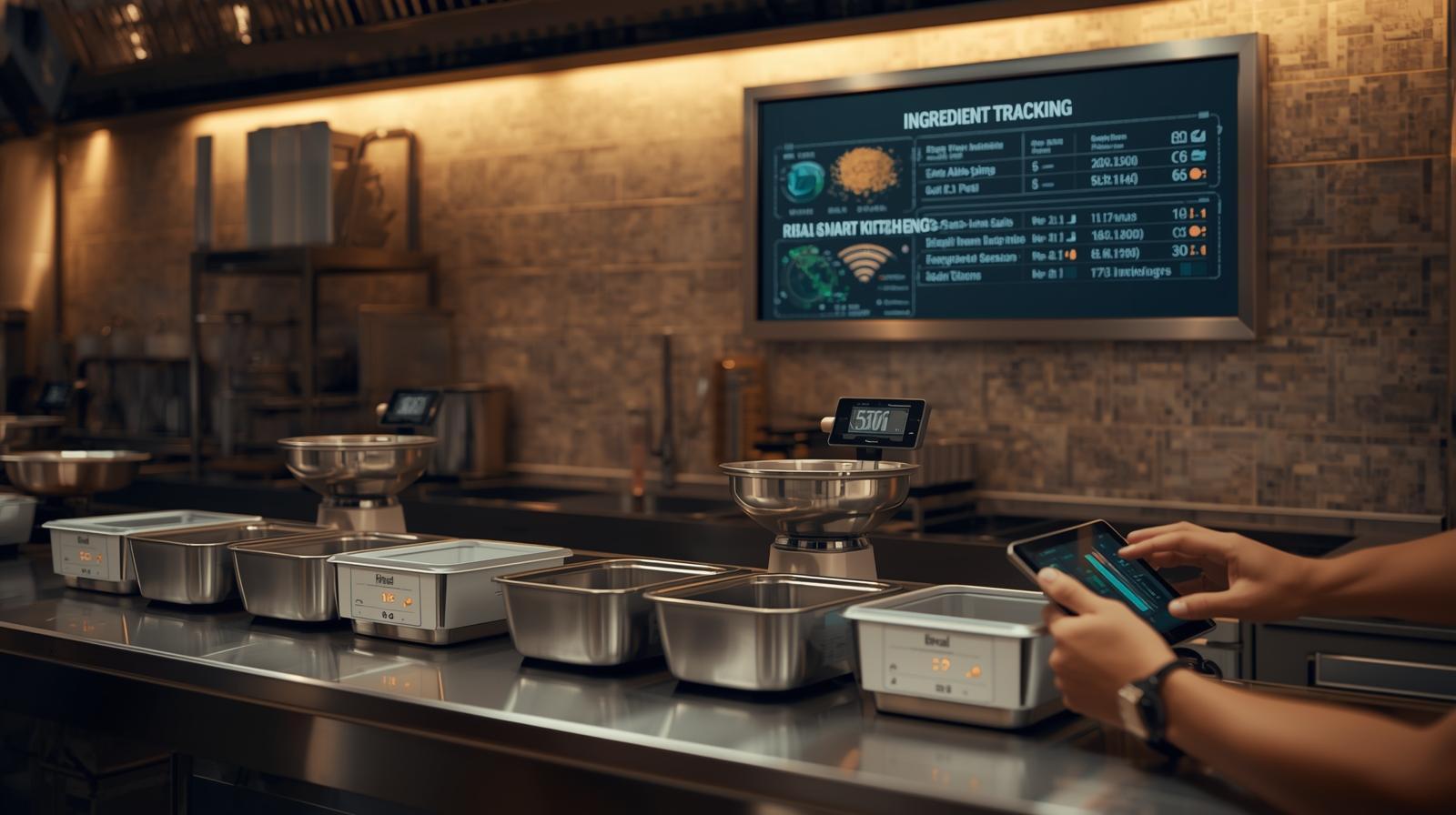
The right combination of sensors and software can flag small deviations before they become expensive problems. From portion control to predictive ordering, smart ingredient tracking gives operators a clear view of usage, waste, and risk.
This guide breaks down what to monitor, how these systems work together, and which alerts actually help the line stay efficient.
1. Sensors That Keep the Kitchen Smart
Weight and Load Sensors
Built into bins and dispensers, these measure precise quantities as ingredients are used. They enable real-time portion monitoring, prevent overuse, and often tie directly to automated dispensing systems for accuracy.
IoT Temperature & Humidity Sensors
Placed in refrigerators, freezers, and dry storage, these monitor conditions that affect freshness and spoilage risk. Continuous data supports better stock rotation and extends ingredient shelf life.
RFID & Barcode Scanners
RFID tags and barcodes track ingredient batches through receiving, storage, and prep. This supports traceability, expiration tracking, and automatic inventory updates within connected systems.
Motion & Proximity Sensors
Used on bins or dispensers to detect when ingredients are accessed or removed. These sensors help automate usage logging, trigger reorders, and flag anomalies in workflow or consumption patterns.
2. Software That Turns Data Into Action
Kitchen Management Systems (IoT Integrated)
Platforms like Renau Cloud or SmartSense aggregate sensor data into centralized dashboards. They provide real-time visibility into usage, condition, and stock levels — automating alerts for low inventory, spoilage risk, or missed HACCP checks.
AI-Driven Kitchen Analytics
By analyzing historical and real-time data, these tools forecast demand, recommend purchasing quantities, and even suggest recipe adjustments to minimize waste. They bridge the gap between data collection and actionable insight.
Automated Dispensing & Portioning Software
Tied directly to hardware, these systems control ingredient dispensing to exact recipe specifications. They track per-dish usage and integrate with POS systems to provide cost visibility at the menu-item level.
3. Alerts That Matter
Modern kitchens generate enormous amounts of data — but not every alert deserves attention. The key is to surface only what’s actionable:
Safety Alerts:
Temperature deviations or contamination risks that require immediate attention.
Operational Alerts:
Low-stock, missed deliveries, or maintenance notifications that affect prep and service continuity.
Predictive Alerts:
Usage patterns that forecast shortages, overuse, or emerging inefficiencies.
The best platforms learn from historical data to suppress noise and highlight what the team truly needs to know.
4. Benefits of Sensors & Software for Ingredient Usage
-
Precise real-time usage tracking reduces waste, cuts costs, and ensures consistent food quality.
-
Automated alerts reduce the risk of running out of key ingredients or using spoiled stock.
-
Data-driven forecasting supports smarter purchasing and tighter inventory control.
-
Traceability and compliance strengthen quality assurance and simplify audits.
Together, these benefits improve both the operational and financial performance of any kitchen running at scale.
5. The Connected Kitchen Advantage
Together, these sensors and systems form a digital backbone for ingredient management. They don’t just monitor usage, they drive smarter decisions, improve consistency, and reduce waste.
As labor challenges persist, connected ingredient tracking ensures kitchens operate with confidence that every dish meets brand standards while protecting margins and food safety.
Quick Reference
| Function | Technology | Example Use |
|---|---|---|
| Portion Control | Weight / Load Sensors | Real-time tracking of sauce, oil, or batter usage |
| Food Safety | IoT Temp / Humidity Sensors | Automatic cold storage monitoring |
| Traceability | RFID / Barcode | Batch and expiration tracking |
| Waste Reduction | AI Kitchen Analytics | Demand forecasting and recipe optimization |
| Compliance | Kitchen Management Systems | HACCP reporting and digital logs |
Closing Thought
Smart ingredient tracking doesn’t replace people — it empowers them. With reliable data and intelligent alerts, kitchen teams can focus on creativity, consistency, and quality instead of counting bins and chasing missing items.